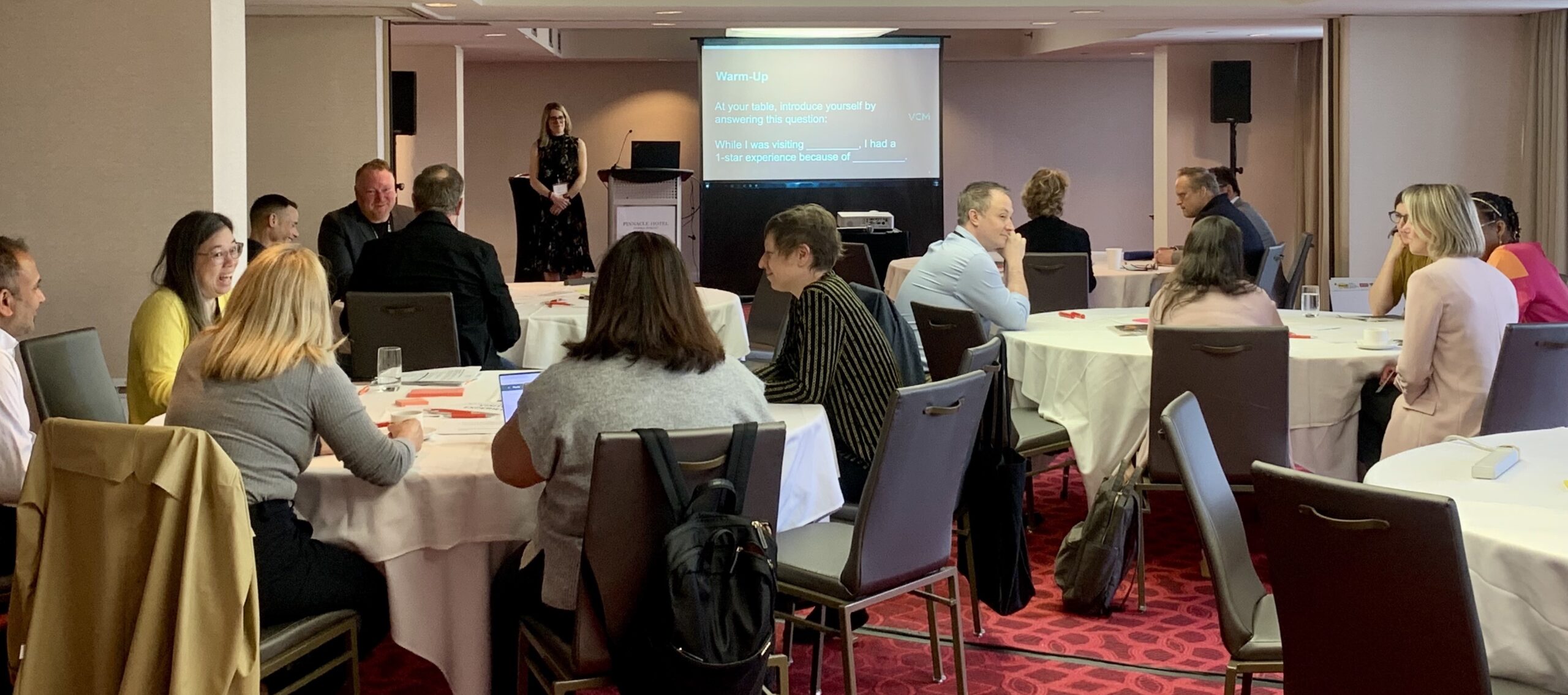
Guaranteed tips to keep in-person workshop participants energized
We’re out of the Zoom room and in-person meetings and workshops are back! What a breath of fresh air. That means it’s also time to refresh how I design experiences like workshops, meetings and events. With an in-person meeting, very detail of the experience can contribute to a memorable and transformative experience: the venue, connection exercises, energizers, food and drink, breakouts and learning opportunities. To keep everyone energized from start to finish, these are my guaranteed tips for experience design: 1 – Select an ideal venue One group I work with had only ever met in a virtual space over the last three years! We needed a venue that had flexible use of the space so we can invite connection between members. We also wanted a bright space with natural light and windows that open for fresh air! Bonus – the beautiful ocean views and city scapes were a welcome

Why We All Need to Celebrate Earth Day
Atmospheric rivers, drought, wildfires, heat domes, poor air quality and more… These are challenges the tourism partners I work with face every day. Planning for scenarios like weather extremes has become an essential part of our collaborative efforts in destination development and management. The realities of climate change can be daunting and sometimes paralyzing. I think the antidote to fear is action. Doing something small or large every day feels empowering. It generates a sense of optimism even with the challenges we all face. To give back in my community, I volunteer with a local environmental non-profit in Whistler, the Association of Whistler Area Residents for the Environment (AWARE). 🌎 Every April 22, individuals from all backgrounds and walks of life unite in a global effort to advance sustainability and climate action, marking the annual Earth Day. This year, AWARE has rallied community partners to come together and celebrate Earth
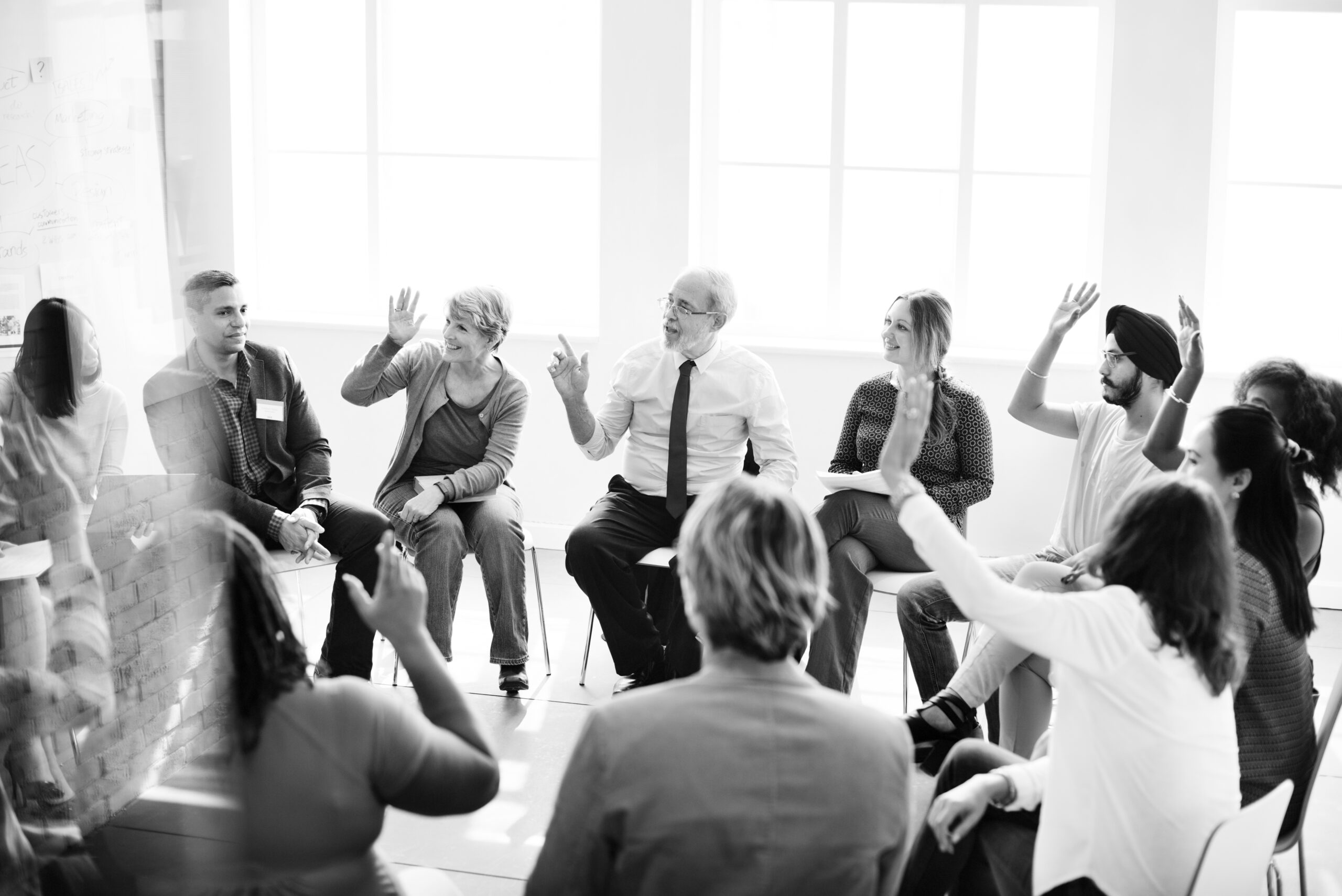
Optimize Meetings for Connection, Not Content
I’m always curious about a participants’s experience of meetings, workshops and events. There’s much to be learned from their side of the podium. So why is it that I’ve just heard about 2 events that left participants feeling silenced, frustrated and uninspired? These experiences were designed to get through a mountain of content in a tight timeline. These events started with back-to-back presentations that launched before anyone had a sip of coffee. They didn’t allow participants a chance to connect. They moved to the next agenda item without time to integrate what was shared. These experiences are designed to celebrate content, not connection. I’ve recently learned to imagine event participants like the protagonists of a story. Facilitators and presenters consider them as the hero of a quest. Each participant should feel like they faced a challenge and conquered it. A collective transformation unfolds through the event. For a one-hour meeting or

Why we all need to be responsible tourists
Building better places to live and better places to visit I’ve lived in a resort town for about 15 years. We’re only 14,000 residents, but we welcome over 3 million visitors per year. It has transformed my life and my work. It has also provided me a unique perspective on tourism and how it can shape a community. Stewarding and managing tourism destinations are a co-created responsibility between government, tourism partners and community groups − all focused with the local’s wellbeing at heart. Most of my work in the last three year has been facilitating conversations designed to build a collaborative approach to managing tourism (known as destination management and development). The next time you pack your bags and head out on an adventure abroad, consider the impact your trip has on the communities you visit. I was recently interviewed by Maryam Siddiqi of the Globe & Mail about this

How to Design Events to Tell a Story
Memorable events are built with a narrative I’m at that age where sometimes, I can’t remember what I did last week, or even yesterday. But I do remember good stories, the ones with interesting characters, a lively script, lots of action and a big aha moment. These bestsellers follow a storytelling template that works every time. A narrative that slowly builds and keeps readers flipping pages right until the end. When designing an event, workshop or planning session, have you scripted the narrative? How will the event story unfold? What lessons will be learned? What story will be shared after the event? Using a Dramatic Arc to frame the event narrative will help ensure it becomes a compelling story. Consider participants as the protagonist. They become part of the story from your first event invitation… to the days that follow after it ends. Event Invitation Use the event invitation as
SOAR to reach new aspirations
Use this planning tool to transform your future Fall is often a time of year to plan ahead and make change for the new year. For many, it’s also time to dust off your strategic plan and update it for the next few years. When my clients are looking to design an engaging and uplifting planning workshop, SOAR is a tool that I recommend. I first used SOAR right in the middle of the pandemic with a client who was stretched and tired. The leadership team were exhausted by constant demands and curveballs at their social enterprise. And… their Board wanted to charge ahead with an update to its strategic plan. We had to think of a different way to approach the Plan update. We needed to inject energy and lightness so we could rise above the day-to-day and look forward. SOAR focuses on planting seeds rather than pulling weeds.